


Doula Training and Perinatal Community Health Worker Certification
Professional training, certification, and paid apprenticeship pathways for community based perinatal care
March 2026 Cohort
Now Enrolling
The March 2026 cohort offers structured doula training and perinatal care education for individuals seeking ethical, non clinical roles supporting pregnancy, birth, and postpartum families.
This program provides a clear pathway into professional perinatal care through comprehensive training, certification, and eligibility for paid apprenticeship opportunities.
Enrollment is limited to maintain mentorship quality and individualized support.
About the Training
The Birth Wellness Coach and Full Spectrum Doula Training is a comprehensive professional program designed for people who feel called to support families with presence, skill, and responsibility.
This is not a weekend workshop. It is a structured training pathway that prepares students to work within community based maternal health systems with clarity, confidence, and ethical scope.
Students complete guided online coursework alongside live weekly instruction and integration calls. Training focuses on real world readiness, trauma informed care, and collaborative practice alongside licensed providers.
What You’ll Learn
Perinatal Health Foundations
Learn the physiology of pregnancy, labor, birth, and postpartum alongside trauma informed care principles. This section builds a strong understanding of normal processes, common variations, and when to refer to licensed providers.
Full Spectrum Doula Training
Develop hands on skills for prenatal visits, labor support, comfort measures, and immediate postpartum care. Learn how to provide physical support, emotional presence, and informed decision making support within a non clinical scope.

Business Basics for Doulas
Learn the foundations of ethical business practice as a doula. This includes client intake, contracts, documentation systems, collaboration, visibility, and sustainable practice models aligned with community based care.
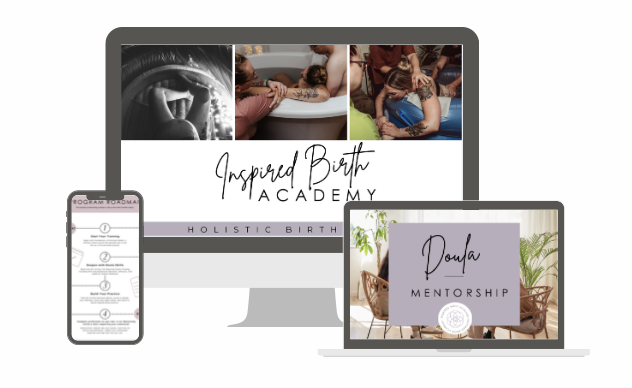
Certification Process
After completing the training, students move into the certification phase.
Certification requirements include:
Observation of perinatal health and education classes
Supporting three families through pregnancy, birth, and postpartum
Completion of required documentation and reflections
Graduates who complete certification are prepared to work independently or within group and community based practice settings.
Paid Apprenticeship
Certified graduates are eligible to apply for a twelve month paid apprenticeship.
The apprenticeship provides:
Paid part time perinatal care work
Assigned client families
Ongoing mentorship and case review
Structured skill development and evaluation
Real world integration within community settings
Apprenticeship placement is application based and not guaranteed. The apprenticeship is paid and not included in training tuition.
Tuition and Investment
Program Tuition
$3,000
Tuition includes all coursework, live weekly integration, certification guidance, and eligibility to apply for paid apprenticeship opportunities.
Payment Options
$2,700 when paid in full at enrollment
Monthly payment plans are available starting at $300/month
Scholarships
A limited number of scholarships are available for New Hampshire residents and qualifying applicants. Scholarships are awarded through a separate application process and are not guaranteed. Click here to apply
Why Our Training Matters
Maternal health in the United States is at a tipping point. Families face preventable trauma and poor outcomes while birthworkers are stretched thin.
Yet 80% of pregnancy-related deaths are preventable with the right care.
It starts with skilled, compassionate professionals ready to address these gaps.
Behind Every Statistic is a Family.
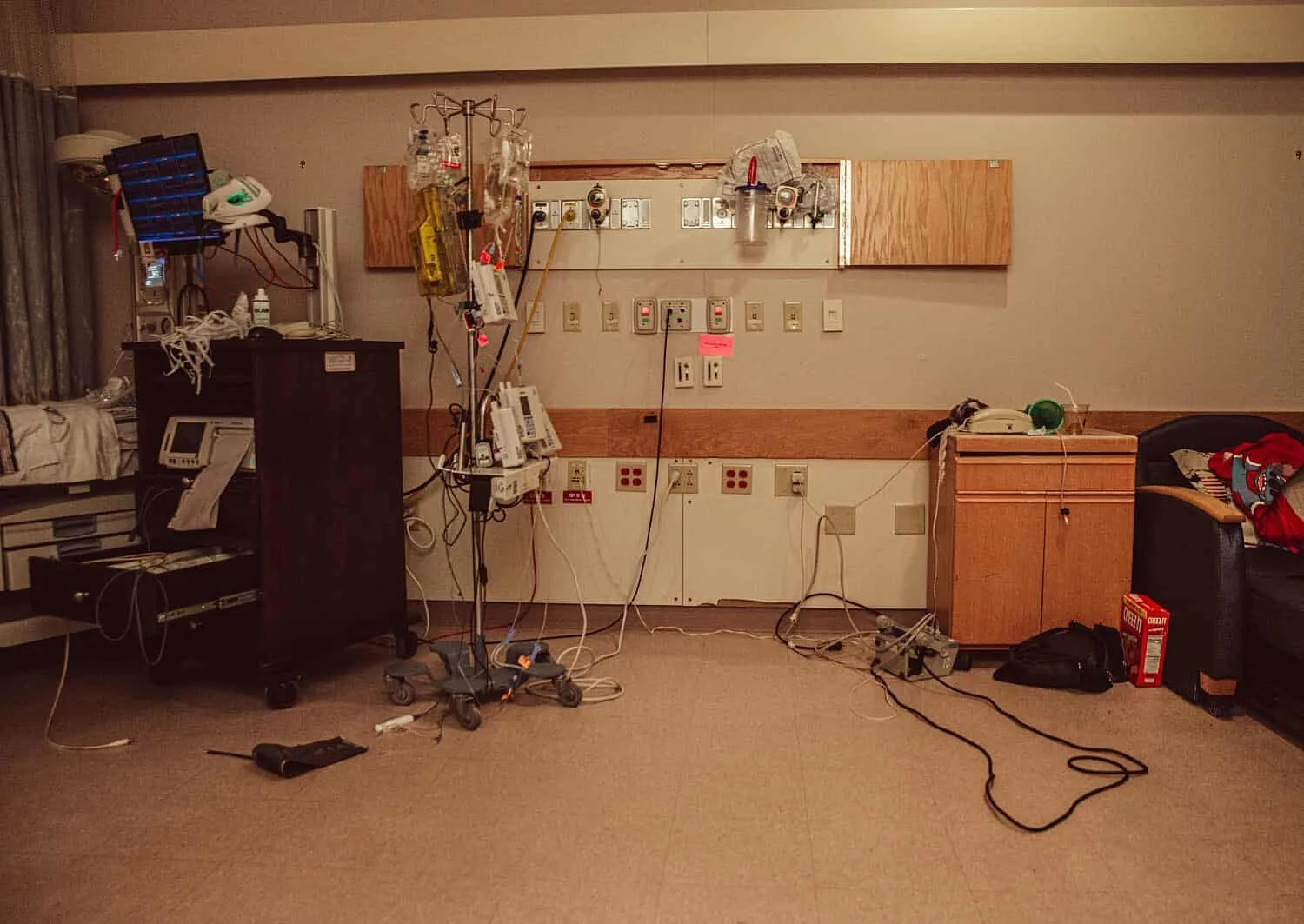


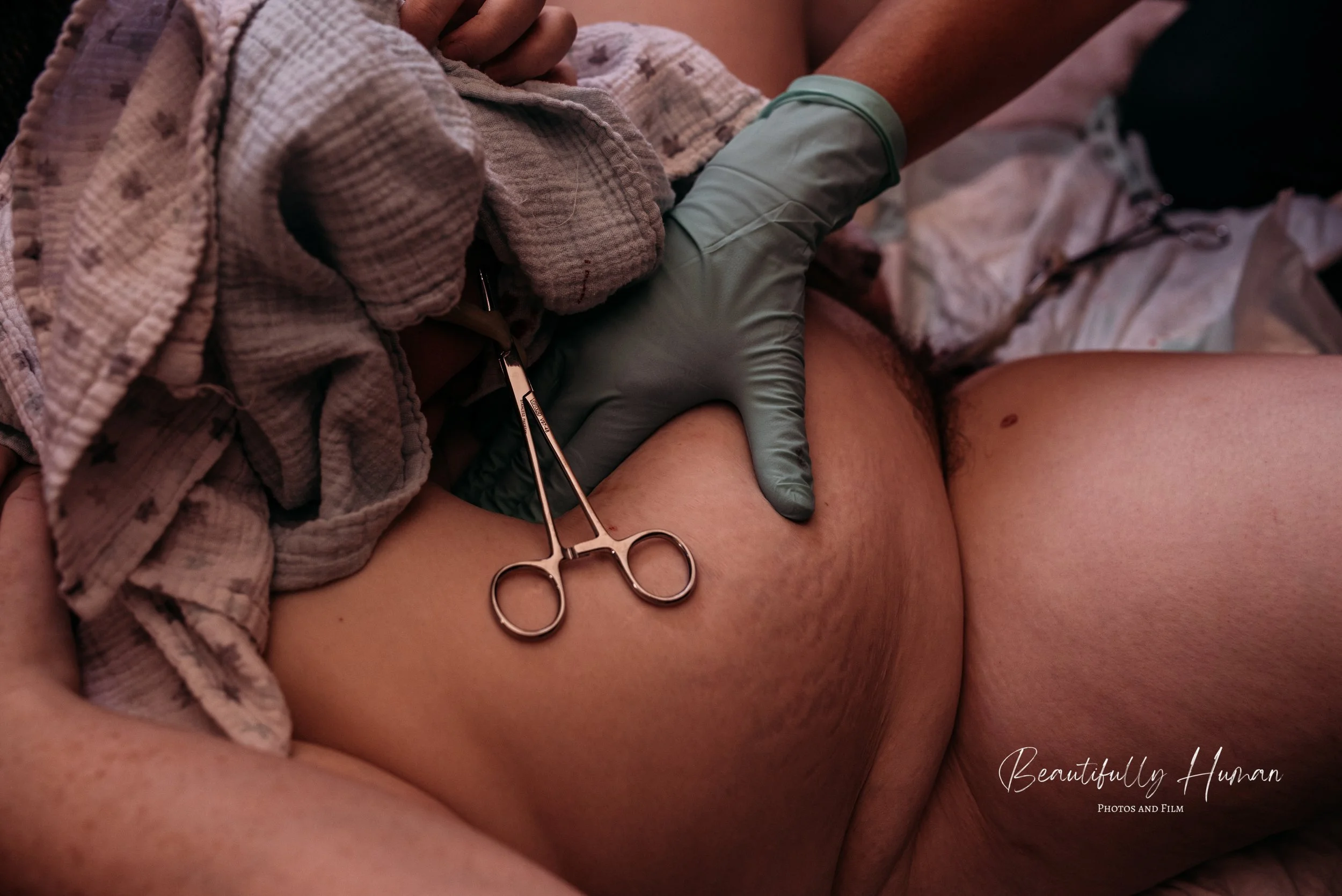
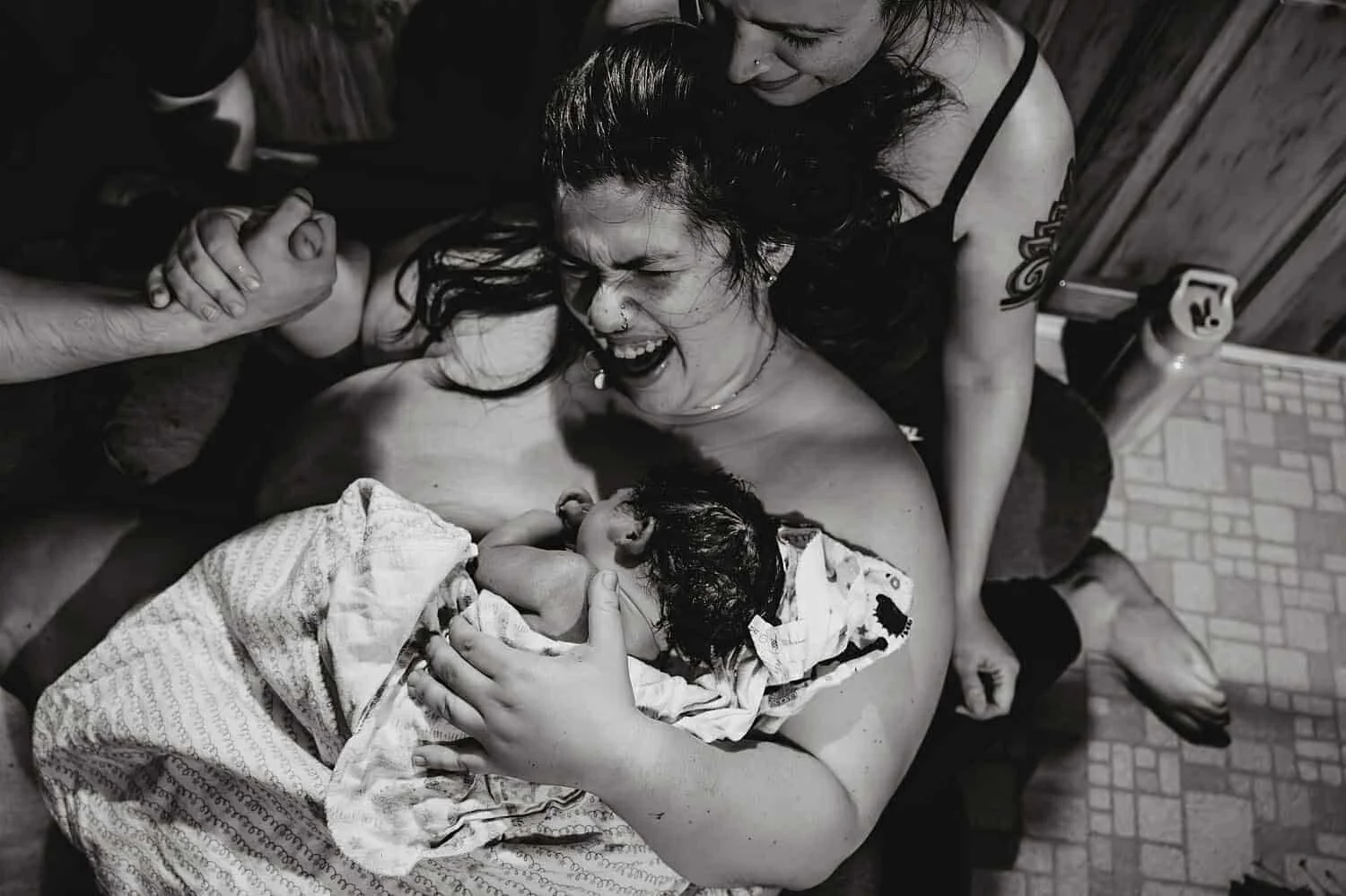
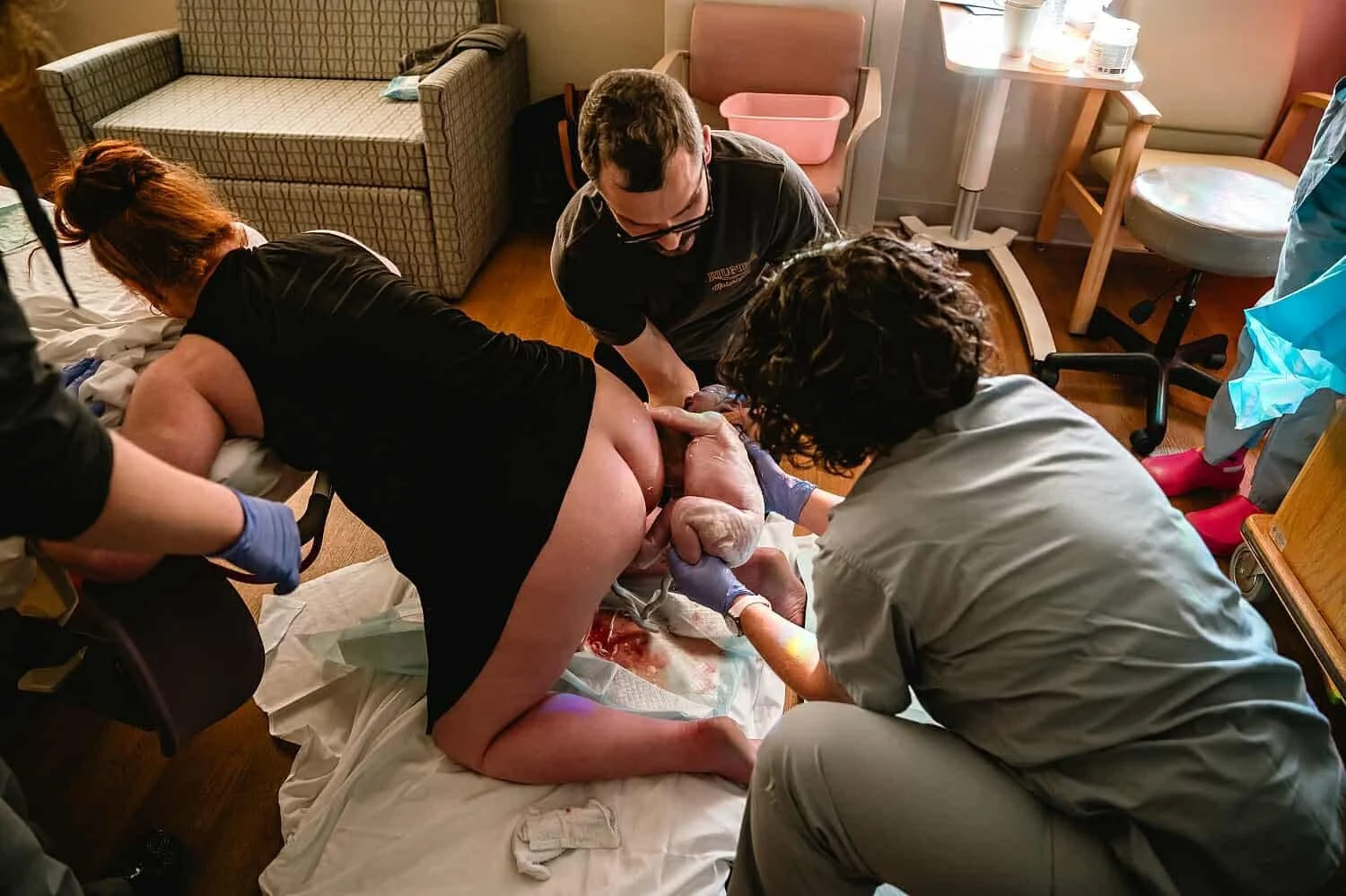
How Full Spectrum Doulas & Perinatal CommunityHealth Worker’s Change Outcomes
Birth Wellness Coaches are trained to walk beside families with skill, presence, and trauma informed care.
Their role is to support families before, during, and after birth in ways that reduce harm and strengthen outcomes.
They do this by educating families about their bodies, the birth process, and their options.
Offering steady emotional support and simple somatic tools throughout pregnancy and birth.
Guiding comfort measures that reduce pain, tension, and fear.
Holding calm, regulated presence during vulnerable moments
Supporting postpartum healing with respect and care.
Connecting families to community resources and referrals when additional support is needed
When families feel informed, respected, and supported, birth becomes safer. Trauma is less likely to take root, and confidence has room to grow.